
Why Global Buyers Prefer Working Directly with Manufacturers
Many international buyers now prefer working directly with manufacturers rather than intermediaries. Direct sourcing allows buyers to communicate product requirements clearly, negotiate pricing efficiently, and maintain control over product development. Retailers and wholesalers in the USA and Europe increasingly value transparency when sourcing décor, lighting, and furniture products. Direct manufacturer relationships improve communication and reduce misunderstandings during production.
Working directly with manufacturers often provides better pricing stability compared to sourcing through multiple intermediaries. Eliminating additional distribution layers allows buyers to obtain competitive prices while maintaining product quality. Bulk buyers benefit from this cost efficiency when ordering large quantities.
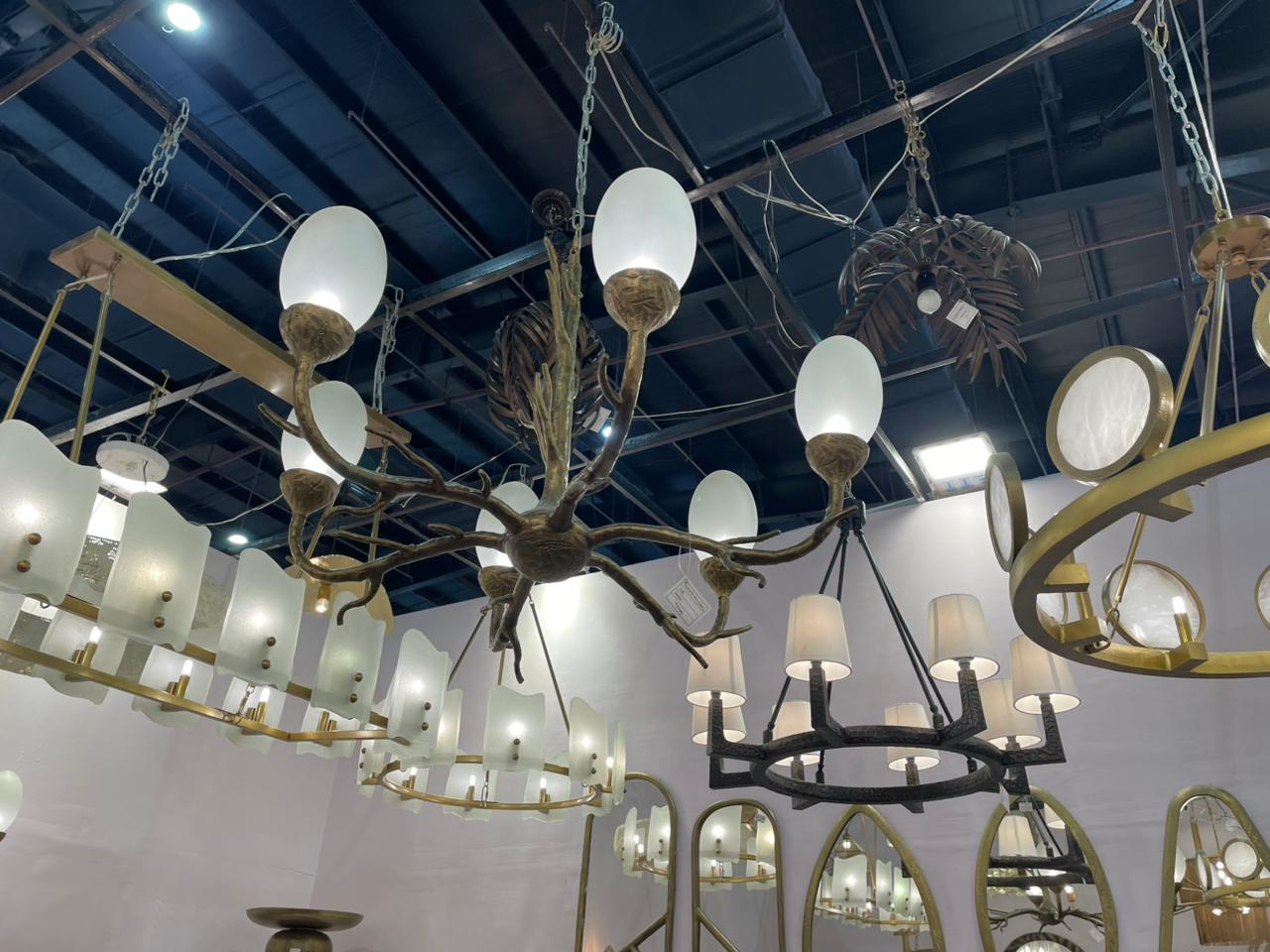

Direct partnerships with manufacturers enable customization opportunities. Buyers can request specific finishes, sizes, and packaging styles that align with their brand identity. This flexibility allows retailers to differentiate their collections in competitive markets.
Production transparency has become an essential factor for buyers sourcing home décor, lighting, and furniture products internationally. When buyers work directly with manufacturers, they gain better insight into production processes, material selection, finishing techniques, and quality control procedures. This transparency builds confidence and allows buyers to ensure products meet their required standards before shipment.
Manufacturers with integrated facilities provide greater visibility into each production stage, including casting, finishing, assembly, and packaging. Buyers can also communicate specific design requirements more effectively when dealing directly with production teams. As global supply chains become more complex, transparency helps buyers reduce procurement risks and maintain consistent product quality across repeated orders.Supply chain stability is a critical priority for retailers and distributors managing large inventories. Delays in manufacturing or shipping can disrupt product availability and impact sales performance. Buyers therefore prefer manufacturers capable of maintaining stable production schedules and predictable lead times.
Experienced exporters understand international shipping timelines, packaging requirements, and documentation processes, ensuring smoother logistics operations.Direct manufacturer relationships often evolve into long-term strategic partnerships that benefit both buyers and suppliers. Over time, manufacturers gain a deeper understanding of a buyer’s product preferences, quality expectations, and seasonal purchasing patterns. This familiarity improves efficiency during production planning and order fulfillment.
More Blogs
Catch up with latest Updates from Interseas Designs of what is happening around the world.

Private Label Home Décor: How Retail Brands Can Build Exclusive Collections with Indian Manufacturers
For retailers competing in crowded home décor markets, selling products that are available everywhere can make differentiation difficult. Private label home decor offers another approach by allowing brands to develop collections that are exclusive to their business. Instead of selecting only standardized products, retailers can collaborate with manufacturers on designs, dimensions, finishes and product combinations that fit their own brand identity. This approach can be particularly valuable for USA and European businesses seeking distinctive furniture, lighting and decorative accessories. Private-label manufacturing can also help retailers create a consistent visual language across multiple categories. Rather than purchasing unrelated products from several suppliers, brands can work toward a coordinated collection designed around their customer profile, positioning and merchandising strategy.

2026 Lighting Trends: Chandeliers, Pendant Lights & Lamps Retailers Should Watch
The biggest shift within lighting trends 2026 is the movement from lighting as a purely functional requirement toward lighting as an important design element. Designers and buyers are increasingly looking for fixtures that contribute to the identity of a room even when they are switched off. Current industry coverage highlights sculptural profiles, larger-scale fixtures, warm metallic finishes and layered illumination as important directions for the year. ELLE Decor For retailers, this means lighting collections need to offer more than basic functionality. Chandeliers, pendants, lamps and wall fixtures can become statement products that anchor an entire room. This creates opportunities for buyers to develop collections around distinctive forms, coordinated finishes and strong material stories.

From High Point Market to Global Retail: Why Indian Furniture & Décor Are Gaining Attention
High Point Market remains one of the most important meeting points for the international home furnishings industry, bringing together designers, retailers, manufacturers and buyers around emerging product directions. The Spring 2026 market highlighted a broad mix of nature-inspired accents, layered details, customization and expressive furniture design. Architectural Digest For USA retailers, the event is more than a place to discover individual products. It provides insight into the materials, silhouettes, finishes and design stories likely to influence upcoming collections. This makes the market particularly relevant to Indian furniture manufacturers serving international buyers. Manufacturers who understand these evolving preferences can translate global design direction into commercially viable products for retailers, hospitality companies and interior businesses.
direct manufacturer sourcing, home decor manufacturer India, lighting manufacturer exporter, furniture manufacturer India export, bulk decor suppliers international